



















Book Your New Patient Appointment
Who Do We Welcome as New Patients at Dentalini?
01
New to the Milsons Point Area
02
Looking for a Long-Term Dental Home
03
Requiring Comprehensive Treatment Planning
04
Seeking a Comfortable Dental Experience
Our Approach to New Patient Care at Dentalini
Over a Decade of Community Care in Milsons Point
Dentist Committed to Comprehensive, Personalised Care
Understand Your Oral Health Before Treatment Begins
Wondering If Dentalini Is the Right Fit for You?
Meet Your Dentist
Principal Dentist
General Dentist, DEN0001130682
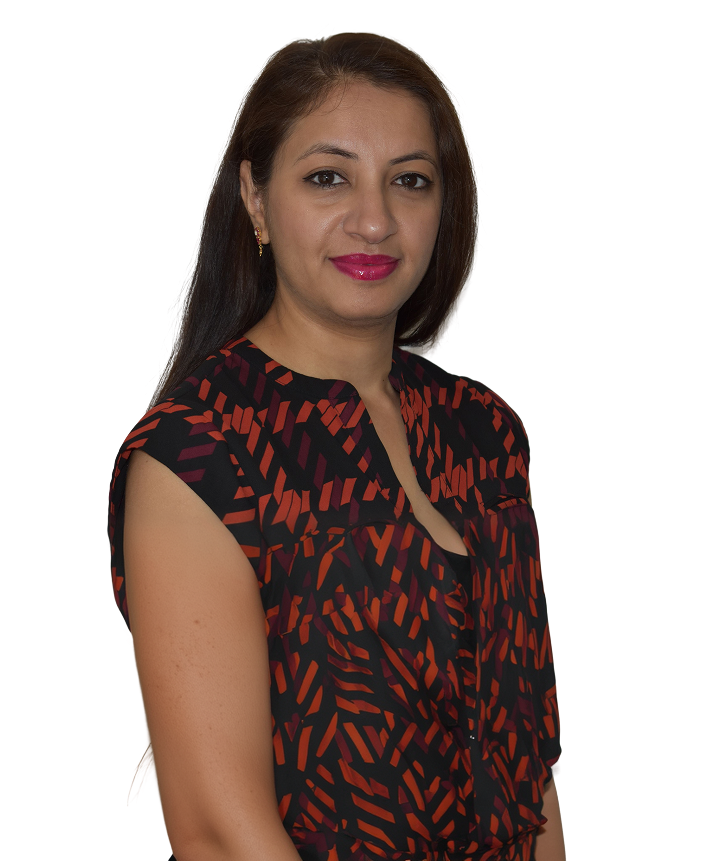
Dr. Preeti R. Bharadwaj
Dr. Preeti brings over 15 years of clinical experience to Dentalini. With postgraduate training in oral implants from the University of Sydney, she combines technical skill with a patient-focused approach.
Areas of Focus
- Dental care for children, with additional training and keen interest in this area
- Geriatric dentistry, with particular focus on dental care for elderly patients
- Cosmetic dental procedures to enhance smile aesthetics
- Comprehensive general dentistry, including preventive care, periodontics, endodontics, and prosthodontics
Qualifications & Accreditation
Flexible Payment Options
payment plans
Total Lifestyle Credit
TLC offers payment plans from $2,000 to $50,000 for dental procedures. With competitive interest rates based on your credit score and no hidden fees, you can spread your investment into weekly repayments.
Terms and conditions apply:
A full credit assessment is required.
Total Lifestyle Credit, Australian Credit Licence 509691.
payment plans
SuperCare
Some patients may be eligible to access superannuation under the ATO’s Compassionate Release program for certain dental treatments. This option should only be considered after discussing clinical necessity with Dr. Preeti and seeking independent financial advice. Treatment recommendations are based on clinical need, not payment method availability.
Eligibility criteria apply:
Early release of superannuation may have significant financial and tax implications. SuperCare is a registered tax agent — not a financial adviser. You should consult an independent financial adviser before accessing superannuation for dental treatment.
Paypal
PayPal Pay in 4 lets you split purchases under $2,000 into four interest-free fortnightly payments — with no late fees. Pay 25% at checkout, then three automatic payments over six weeks.
Eligibility criteria and terms apply:
PayPal Credit Pty Limited, Australian Credit Licence 568848.
Frequently Asked Questions for New Patients
Invisalign in Sydney generally costs between $6,000 and $9,000 for full treatment, and starting at $4,500 for minor cases (consultation required for accurate quote). At Dentalini, your investment depends on several factors unique to your smile. There's no one-size-fits-all price—what you pay reflects the complexity of your case and the treatment required to achieve your goals.
Factors that influence cost include the following:
- Treatment complexity: Cases involving significant tooth movement or bite adjustment usually require a higher investment than minor alignment concerns.
- Treatment duration: Longer timeframes generally involve higher overall costs.
- Number of aligners: The total number of aligner sets needed varies by case, with research indicating an average of 64 aligners per treatment.
- Refinements: Many patients require refinement aligners during treatment, which may affect the total investment.
Some health funds may cover a portion of the cost of Invisalign under major dental, though this varies by fund and policy level. Flexible payment plans are available at Dentalini. Subject to eligibility and approval; terms and conditions apply. Dr. Preeti provides a detailed quote after consultation and a comprehensive assessment.
According to a 2024 comparative study, Invisalign® treatment takes an average of 18 months. Minor alignment cases may take as little as six months, while complex cases can extend beyond two years. Your actual timeline depends on your unique situation.
Factors affecting treatment duration include the following:
- Severity of misalignment: Minor crowding usually requires fewer aligner sets and shorter treatment time, whereas complex bite concerns or significant tooth movement may extend the process considerably.
- Compliance: Wearing aligners 20–22 hours daily is essential for staying on track—consistently wearing them less than recommended can add months to your treatment timeline.
- Refinements needed: Research shows treatment averages five months longer than initial estimates, as many patients require additional aligners to fine-tune their results.
Individual timelines vary based on healing response and complexity. Dr. Preeti will discuss your specific timeline during the consultation.
Invisalign® is designed to minimise discomfort, though you can expect some pressure—particularly during the first 1–2 days after switching to a new aligner set. Many patients describe this sensation as tightness rather than pain. This pressure is normal and indicates your aligners are actively guiding your teeth into position.
Compared to traditional braces, patients generally report less discomfort with Invisalign® as there are no wires or brackets to irritate the mouth. If you experience mild discomfort, over-the-counter pain relief can help ease sensitivity during the adjustment period.
Dr. Preeti provides detailed guidance on what to expect and how to manage any discomfort.
Invisalign® treatment begins with a consultation and digital scans, followed by custom aligner manufacturing. You'll wear your aligners 20–22 hours daily, switching to a new set every 1–2 weeks. Dr. Preeti monitors your progress at check-ups every 6–8 weeks, with refinements if needed, followed by a retention phase to maintain your results.
Here's what each stage involves:
- Initial consultation: Dr. Preeti assesses your teeth, takes digital scans, and creates a personalised treatment plan tailored to your goals.
- Aligner manufacturing: Your custom aligners are created based on your treatment plan, usually taking 2–3 weeks.
- Fitting appointment: Dr. Preeti provides detailed instructions on how to wear and care for your aligners.
- Daily wear: Aligners are worn 20–22 hours per day, removed only for eating, drinking, and brushing.
- Switching aligners: Every 1–2 weeks, you'll move to a new set that continues guiding your teeth into position.
- Progress check-ups: Appointments every 6–8 weeks allow Dr. Preeti to monitor progress and make adjustments as needed.
- Refinements: Additional aligners may be required to fine-tune your results towards the end of treatment.
- Retention phase: After active treatment, retainers help maintain your new smile long-term.
Like any orthodontic treatment, Invisalign® has limitations to consider. It may not be suitable for severe bite problems or complex tooth rotations, and success depends heavily on patient compliance—wearing aligners 20–22 hours daily. Research shows approximately 17.2% of patients (1 in 6) switch from Invisalign® to traditional braces during treatment.
Key risks and considerations include the following:
- Case suitability: Severe skeletal discrepancies, complex rotations, and significant bite issues may require alternative treatments such as traditional braces or surgical intervention.
- Compliance requirements: Aligners must be worn 20–22 hours daily for treatment to progress as planned—less wear time can compromise results and extend your timeline.
- Refinements: Many patients require additional aligner sets to fine-tune their results, which can add several months beyond the initial estimate.
- Visible attachments: Small tooth-coloured attachments are often bonded to teeth to help aligners grip—these may be noticeable up close.
- Individual response: Results vary based on your unique biology, healing response, and commitment to following care instructions.
While Invisalign® is a non-surgical treatment, it carries some risks. Individual results vary, and not all cases can be successfully addressed with clear aligners.
Invisalign® has a strong track record, with clinical studies showing 88–90% success rates for mild to moderate orthodontic cases. However, success depends on several factors unique to each patient. At Dentalini, Dr. Preeti monitors your treatment progress at regular intervals to help keep you on track towards your goals.
Factors that influence Invisalign® treatment success include the following:
- Case complexity: Mild to moderate alignment concerns tend to have higher success rates than severe or complex cases.
- Compliance: Wearing aligners 20–22 hours daily is essential—inconsistent wear is one of the common reasons treatment falls short of expectations.
- Oral hygiene habits: Keeping teeth and aligners clean helps prevent complications that could affect progress.
- Following care instructions: Proper aligner handling and switching on schedule support predictable results.
- Attending check-ups: Regular appointments allow Dr. Preeti to identify issues early and adjust your plan if needed.
Research indicates patients require an average of 2.5 refinement scans, with treatment usually extending five months beyond initial estimates. Dr. Preeti assesses individual factors during consultation to determine the likelihood of successful outcomes for your specific situation.
You may be a suitable candidate for Invisalign® if you're an adult with mild to moderate orthodontic concerns and healthy gums without active periodontal disease. You'll also need to commit to wearing aligners 20–22 hours daily and have realistic expectations about treatment duration and outcomes. That said, Invisalign® isn't the right fit for everyone.
The following may affect your candidacy:
- Severe bite problems: Significant overbites, underbites, or crossbites may require more comprehensive treatment such as traditional braces or surgical intervention.
- Complex tooth rotations: Teeth that need substantial rotation may not respond as predictably to clear aligners.
- Large gaps or severe overcrowding: Extensive spacing issues or crowding beyond 6mm may require alternative approaches.
- Active gum disease: Periodontal issues need to be addressed and stabilised before starting orthodontic treatment.
- Lifestyle commitment: Inability to wear aligners 20–22 hours daily or attend regular check-ups can compromise results.
Only Dr. Preeti can determine your specific suitability after a comprehensive examination, including digital scans and assessment. Book a consultation at Dentalini for a personalised evaluation of your orthodontic options.
Invisalign® results can last for many years with proper retention. Retainers are essential after treatment: you'll wear them full-time initially, then transition to nights only for the long term. Without consistent retainer wear, teeth will gradually shift back, as they naturally tend to move throughout life.
Factors affecting how long your results last include the following:
- Retainer compliance: Wearing your retainer as instructed is the single most important factor in maintaining your results long-term.
- Oral hygiene: Healthy teeth and gums provide a stable foundation for your aligned smile.
- Teeth grinding: If you grind your teeth, a night guard may be recommended to protect both your retainer and your results.
- Regular dental check-ups: Ongoing appointments allow Dr. Preeti to monitor your alignment and address any minor shifts early.
- Retainer replacement: Retainers wear out over time and may need periodic replacement to remain effective.
Dr. Preeti provides detailed retention instructions and monitors your results at regular check-ups to help maintain lasting outcomes.
Invisalign® can address mild to moderate bite issues, including overbites, underbites, and crossbites. Attachments and elastics are often used to provide additional control for bite adjustment. However, severe bite problems—particularly those involving skeletal discrepancies—may require alternative treatments such as traditional braces or surgical intervention.
Here's how Invisalign® may help with different bite concerns:
- Overbite: Invisalign® can address mild to moderate overbites where the upper teeth protrude over the lower teeth, often using elastics to help guide jaw positioning.
- Underbite: Mild underbites may respond well to Invisalign® treatment, though severe underbites involving significant jaw discrepancy usually require a different approach.
- Crossbite: Crossbites are generally well-suited to Invisalign® treatment, with aligners gradually shifting teeth into proper alignment.
- Limitations: Severe skeletal discrepancies are beyond the scope of clear aligner treatment and may require orthodontic-surgical intervention.
A comprehensive examination during consultation allows Dr. Preeti to assess your specific bite concern and determine if Invisalign® is appropriate for you.
Many private health funds provide partial cover for orthodontic treatment, including Invisalign®, though it varies significantly by fund and policy level. Cover usually falls under major dental, often reimbursing 50–60% of the schedule fee. Keep in mind that annual limits apply, and many funds require a 12–24 month waiting period before you can claim.
Key points about health fund cover:
- Level of cover: The amount you receive depends on your policy—major dental cover often includes orthodontic treatment, but basic policies may not.
- Annual limits: Many funds cap orthodontic benefits per calendar year, so longer treatments may span multiple claim periods.
- Waiting periods: Expect a 12–24 month waiting period for major dental before you can claim for orthodontic treatment.
- HICAPS at Dentalini: We offer on-the-spot claiming so you can process your health fund benefit on the day and pay only the gap.
- Medicare: Orthodontic treatment, including Invisalign®, is generally not covered under Medicare.
We recommend checking with your health fund before starting treatment to understand your specific entitlements. The Dentalini reception team can help verify your cover if you provide your policy details.